

Introduction
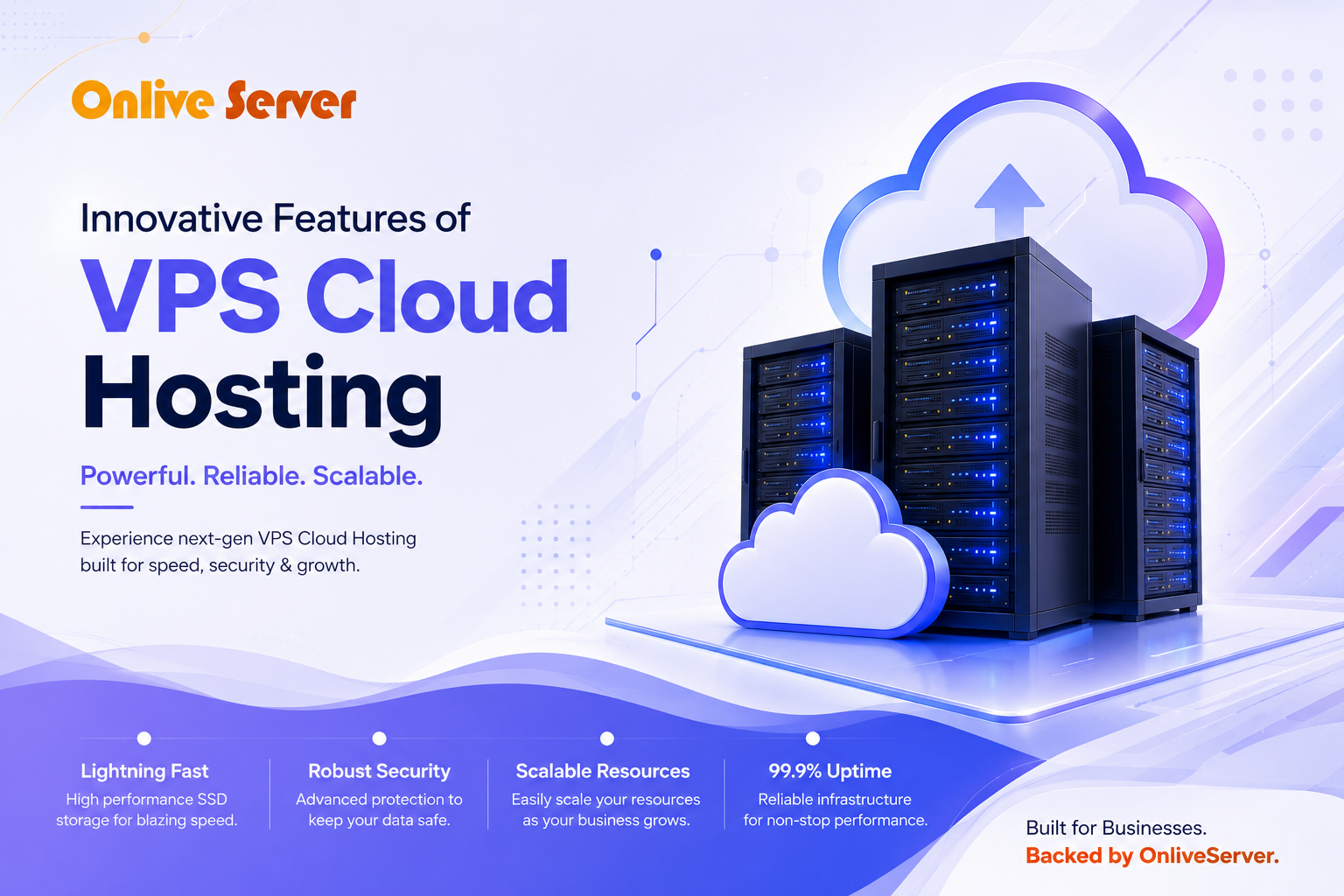
The search for the best hosting company can prove to be a tough task. The last thing you want is an unreliable yet expensive hosting service. This is where VPS Cloud Hosting becomes your best friend. It gives you a perfect blend of flexibility and performance without getting stuck in the quagmire of shared hosting and without paying the hefty costs associated with a dedicated server. All sounds good, right? However, it is not easy to navigate through all this. And that is where OnliveServer comes in. This company does not only provide a service, but rather wants to give you knowledge so that you make informed decisions. Get ready to explore the full potential of Cloud Web Hosting with the help and discover just how revolutionary this hosting service can become for you.
VPS Cloud Hosting Plans
Understanding VPS Cloud Hosting
Web Hosting provides a flexible and scalable solution that bridges the gap between shared hosting and dedicated servers. It’s essential to grasp what makes it distinct.
Core Features
VPS Hosting combines the benefits of virtualization with cloud infrastructure, offering high availability and resource allocation.
Differences From Traditional VPS
While traditional VPS is based on one computer, VPS Cloud Hosting works with several computers to ensure high reliability and uptime. Decentralization avoids a problem called “single point of failure” typical for traditional systems.
Choosing the Right Provider
Selecting a provider requires consideration of network stability, customer support, and pricing models. Stands out here, offering tailored solutions and 24/7 support to keep your operations smooth.
Key Benefits of VPS Cloud Hosting
Interestingly, VPS Hosting offers numerous advantages that can significantly boost your business’s IT infrastructure. Let’s get into these benefits.
Scalability
The ability to scale resources efficiently is critical. One moment you’re running a low-traffic blog, the next, you’re hosting a viral campaign.
Performance and Uptime
Performance is paramount. With VPS, you gain high-speed SSD storage and dedicated CPU allocation, ensuring optimal site performance. This setup minimizes downtime, a critical factor for online businesses.
Security and Control
Security concerns are alleviated with VPS. Enhanced security measures and user-specific resources limit vulnerabilities.
So, why does this matter? Because these benefits ensure your business remains competitive and resilient against potential threats.
How to Set Up Affordable Cloud Hosting
Setting up Best Cloud Hosting can be seamless if you follow the right steps. Let me guide you through this process.
Initial Setup
First off, make sure to choose an appropriate plan for your needs. It offers several plans that can suit different needs. With the plan selected, you will get access to the server along with the relevant information.
Configuration and Customization
Customize your server environment with ease. Access your control panel to install necessary software and update security protocols. Ensure your server’s firewall is configured to prevent unauthorized access.
Launching Your Website
All done, now all that is left to do is to put it into motion. Upload your site files and adjust your DNS settings to match your new VPS IP address.
What’s the next step after that? Test out your site to ensure it runs seamlessly. Our 24/7 technical support can help if you encounter any problems.
Understanding Virtual Hosting and Its Benefits
Decoding virtual hosting isn’t straightforward. It’s a blend of tech and efficiency. Why choose virtual hosting? Simple. You need reliability.
What Is Virtual Hosting?
Virtual hosting separates resources on a server so you don’t step on each other’s toes. Each user feels like they have their own machine.
Benefits to Consider
Ideal Use Cases
So, what’s the catch? It’s not as simple as shared hosting. You’ll need a bit more technical know-how, but equips you with the tools you need.
Optimizing Performance for Cloud Servers
Performance optimization isn’t magic; it’s understanding. Here’s how Cloud Servers get better.
The Role of Virtualization
Virtualization lets one machine act like many. It’s efficient, saving you money and headache.
Key Performance Metrics
Tools and Techniques
Understand these metrics, and you’ll leverage your cloud server to its full potential. I can guide you through this labyrinth, ensuring your performance stays optimal.
Cost Considerations: When VPS Solutions Are Not Ideal
Not every situation calls for a VPS solution. Yes, it’s powerful. But sometimes unnecessary.
When to Avoid VPS
Financial Impacts
The total cost of ownership isn’t just server rental. Think about management, backups, and potential downtime.
Alternatives and Considerations
Evaluate genuinely. If your site’s needs don’t align with what a VPS offers, stick with something simpler and save money.
Frequently Asked Questions
Conclusion
This is because Cheap Cloud Hosting offers an excellent compromise for those that have outgrown shared hosting but cannot afford the luxury of dedicated hosting. Balancing both aspects effectively maximizes efficiency while maintaining cost-effectiveness. OnliveServer is the best option when considering the reliability and scalability required for any business. They will make sure that everything works out well for you.
